
Why Gulf Sovereign Wealth Funds Are Betting Big on Africa
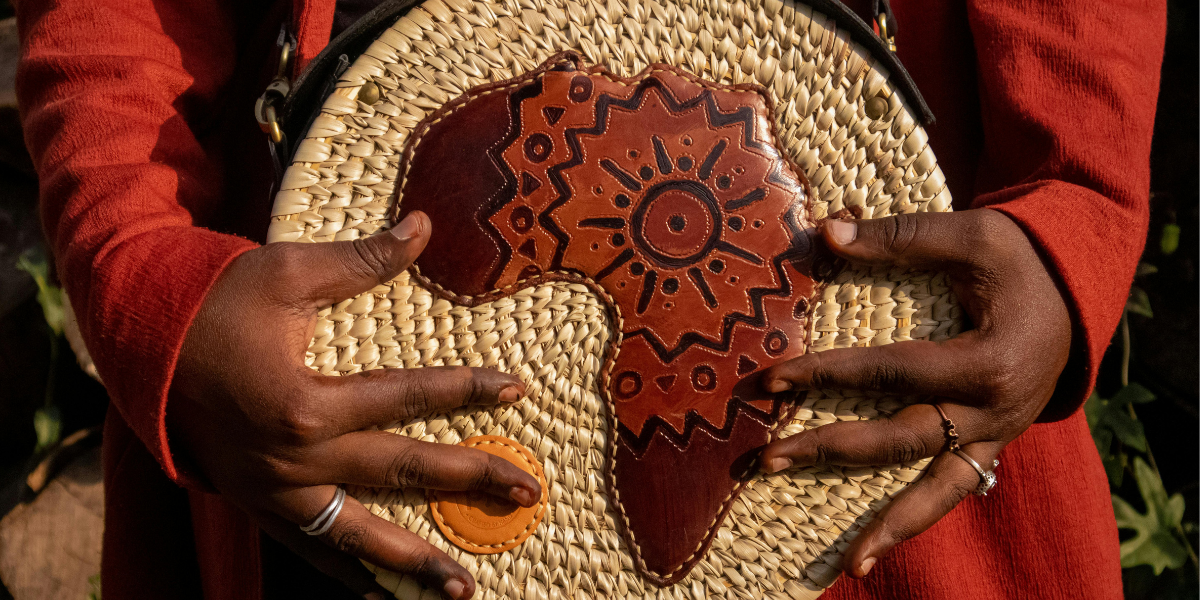
The African continent is having a moment — and it has been having it for longer than most investors outside it are willing to admit. The question was never whether the opportunity was real. The question was always who would show up with the right kind of capital, at the right scale, and with the patience to let it compound. Increasingly, that answer is coming from the Gulf.
For decades, capital flowed into Africa through a narrow set of gatekeepers: Western development banks, Chinese state lenders, and multilateral agencies. That is changing. A new class of investor has stepped in — one with deeper pockets, longer time horizons, and a strategic interest in Africa that goes well beyond financial returns. The Gulf Cooperation Council — led by the UAE, Saudi Arabia, and Qatar — has emerged as the most consequential new intermediary between African growth markets and the pools of institutional capital reshaping long-term investment across emerging economies. This is not a temporary reallocation of surplus oil revenues. It is a structural repositioning, driven by sovereign diversification strategies, demographic alignment, and a recognition that Africa represents the most significant concentration of untapped economic potential in the world over the coming generation.
Gulf Capital Is Replacing Western and Chinese Money in Africa
Behind every major shift in global capital flows, there is a moment when the numbers stop being a trend and start being a structural reality. In Africa, that moment has arrived — and the Gulf is at the center of it. GCC sovereign wealth funds collectively manage approximately $5 trillion in assets as of early 2025, with projections estimating growth to $7 trillion by 2030. That scale alone makes the Gulf a systemically important actor in global capital allocation. But what distinguishes Gulf capital from other pools of institutional money is not size — it is structure. These are patient, state-backed vehicles with long investment horizons, sovereign risk tolerance, and the diplomatic infrastructure to engage African governments as partners rather than as counterparties in a transaction.
Between 2012 and 2025, GCC foreign direct investment in Africa rose to over $179 billion, led by the UAE with $64.3 billion, Saudi Arabia with $28.7 billion, and Qatar with $9.2 billion. What began as trade flows and remittances has matured into a diversified strategic relationship spanning ports, logistics, renewable energy, critical minerals, agribusiness, and digital infrastructure. The Gulf is not extracting value from Africa — it is building the architecture through which African economic output connects to global markets, and positioning itself as the indispensable node in that network.
This matters for global capital allocators because it changes the risk calculus of African exposure. When UAE state-backed entities hold port concessions in Tanzania, Mozambique, Senegal, and Angola, and when Saudi sovereign vehicles are co-financing agribusiness in West Africa, the institutional infrastructure supporting those markets is no longer fragile. It carries sovereign backing from some of the most financially stable governments in the world.
UAE and Saudi Arabia Are Rebuilding Africa's Trade Infrastructure
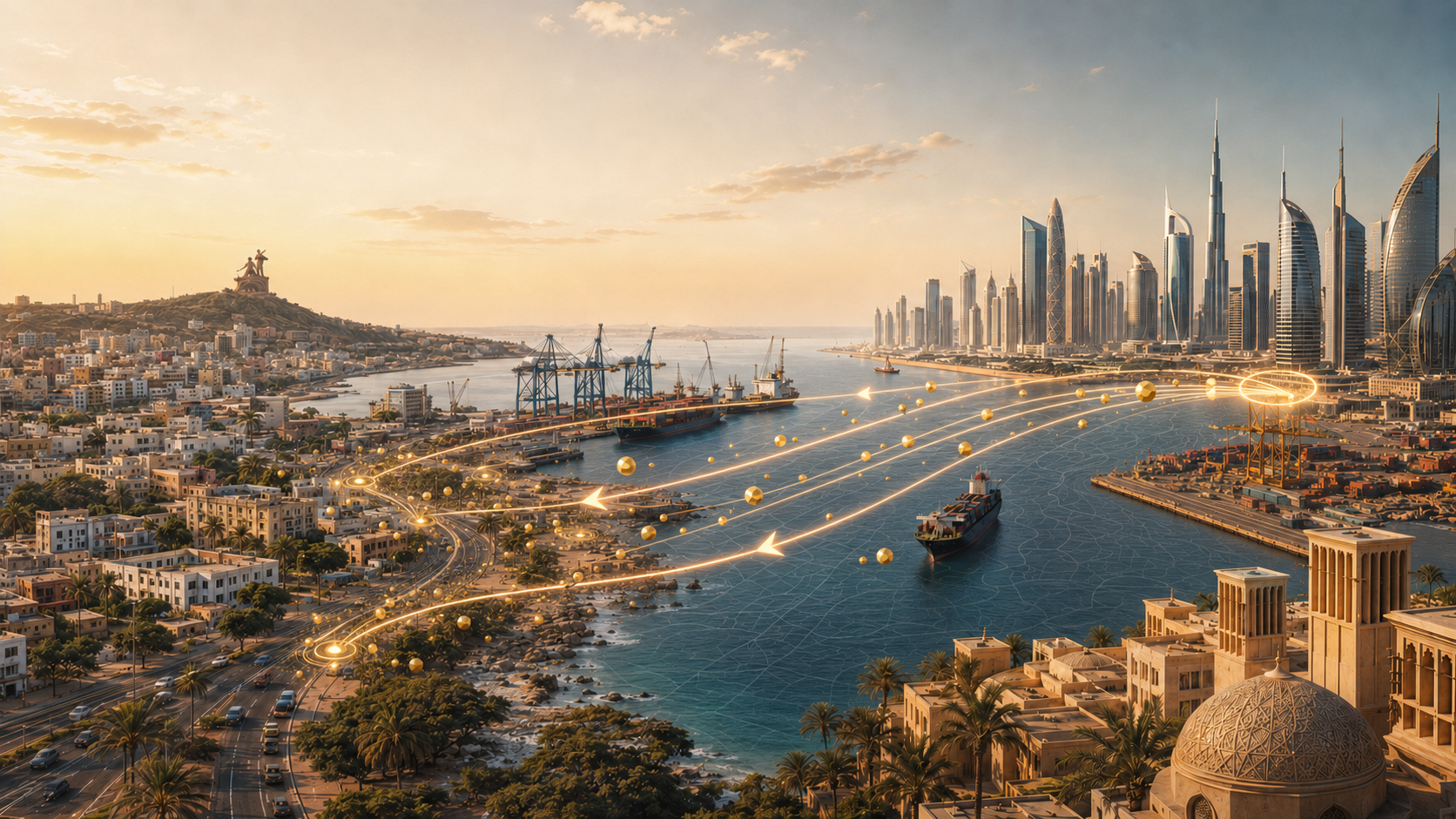
The commitments being made at the sovereign level are only half the story. What they translate into on the ground is where the real argument is made — in the ports being dredged, the logistics corridors being built, and the concessions being signed from Dakar to Dar es Salaam. No sector illustrates the strategic logic more clearly than maritime infrastructure, the backbone of how African goods reach global markets. The UAE invested over $110 billion in new projects between 2019 and 2023, and its trade with Africa reached roughly $107 billion in 2024 — a figure that reflects both the scale and the pace of that commercial relationship.
Two UAE-based operators — DP World and AD Ports Group — are the central instruments of this strategy. Between them, the two companies are operating or developing more than 15 port assets across Africa, with DP World alone expected to invest about $3 billion in new port infrastructure over the next five years. UAE port operators typically secure 20 to 30-year concessions, which gives them the runway to deploy serious capital — deeper channels, longer quays, advanced cranes, digitized port systems. The goal is to turn Africa's coastal gateways into integrated trade corridors connecting producers to Gulf markets and from there to Asia, Europe, and beyond. The infrastructure push does not stop at the waterfront. The UAE announced a $1 billion AI for Development Initiative in November 2025 aimed at expanding AI infrastructure and services across Africa. Hard infrastructure and digital capacity are being built in parallel — because the Gulf understands that the next phase of African economic development requires both.
Saudi Arabia is moving along a parallel but distinct track. In February 2025, the PIF-owned Saudi Agricultural and Livestock Investment Company (SALIC) acquired a controlling 80% stake in Olam Agri — a leading food and feed producer in West Africa — for $1.8 billion. That deal reflects a food security strategy that ties Saudi sovereign interests directly to West African agricultural capacity. Africa sits at the core of the broader minerals super region in which Saudi Arabia wants to position itself as a hub for investment, knowledge-sharing, and long-term wealth generation across Africa, the Middle East, and Asia.
Why Institutional Investors Are Following Gulf Capital Into Africa
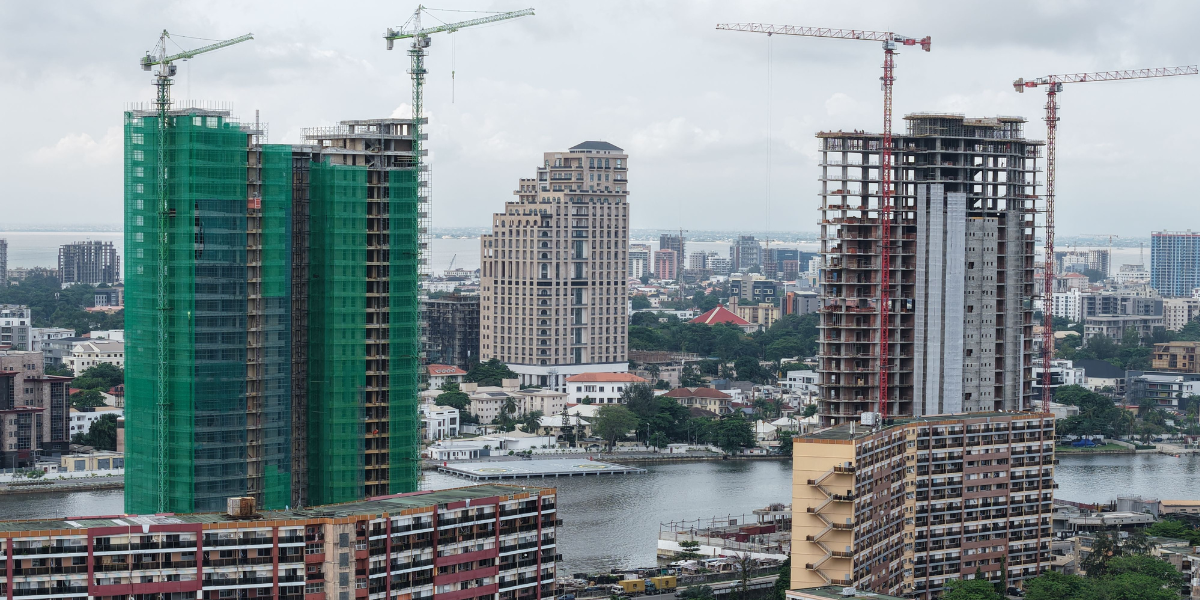
The pattern is consistent enough now that it is no longer a thesis — it is an observation. Where Gulf sovereign capital has committed at scale, private institutional returns have followed. The question for allocators is no longer whether to pay attention to this corridor. It is whether they are already too late.
The Gulf-Africa relationship works because both sides need what the other has. Africa needs long-term infrastructure investment, food security partnerships, and patient capital that can absorb the volatility of frontier markets. The Gulf needs resource access, supply chain security, and new economic platforms to reduce dependence on hydrocarbons. These are not competing agendas — they are complementary ones, and that is what makes the relationship durable.
The data behind that durability is becoming hard to argue with. State-owned investors from the Middle East and North Africa (MENA) deployed $56.3 billion across 97 deals in the first nine months of 2025, with combined MENA sovereign assets projected to reach $8.8 trillion by 2030. A growing share of that capital is targeting Africa. The deals being signed reflect a fundamentally different philosophy from the extractive or short-term models that have historically defined external engagement with the continent — one built around permanence rather than extraction. For institutional investors outside the corridor, the practical implication is direct. Gulf sovereign presence in a market does not crowd out private capital — it creates the conditions under which private capital can operate with greater confidence. Political risk drops. Logistics improve. Long-term sovereign commitment changes the investment environment for everyone who follows.Mubadala, Abu Dhabi's most active sovereign vehicle, deployed tens of billions of dollars in 2024 alone, making it the most active sovereign wealth fund globally according to Global SWF. Combined with GCC equity markets growing from $3.6 trillion in 2021 to $4.4 trillion in 2023, this is a region actively recycling capital into long-duration strategic positions — with Africa as a primary destination, not an afterthought.
For family offices, private equity firms, and institutional allocators seeking African exposure, Gulf sovereign capital in a market is increasingly a signal of structural stability rather than merely a co-investment opportunity. The investors who understand the Gulf-Africa relationship as a structural phenomenon — rather than a cyclical one — are positioned to access opportunities that purely financial players cannot reach. The bridge between African opportunity and global capital now runs through the Gulf. Understanding that geography is the prerequisite for navigating what comes next. WaneGlobal operates at precisely this intersection, where Gulf institutional relationships, African market knowledge, and long-horizon investment thinking converge into a coherent strategy for capturing the returns that this decade will produce.